

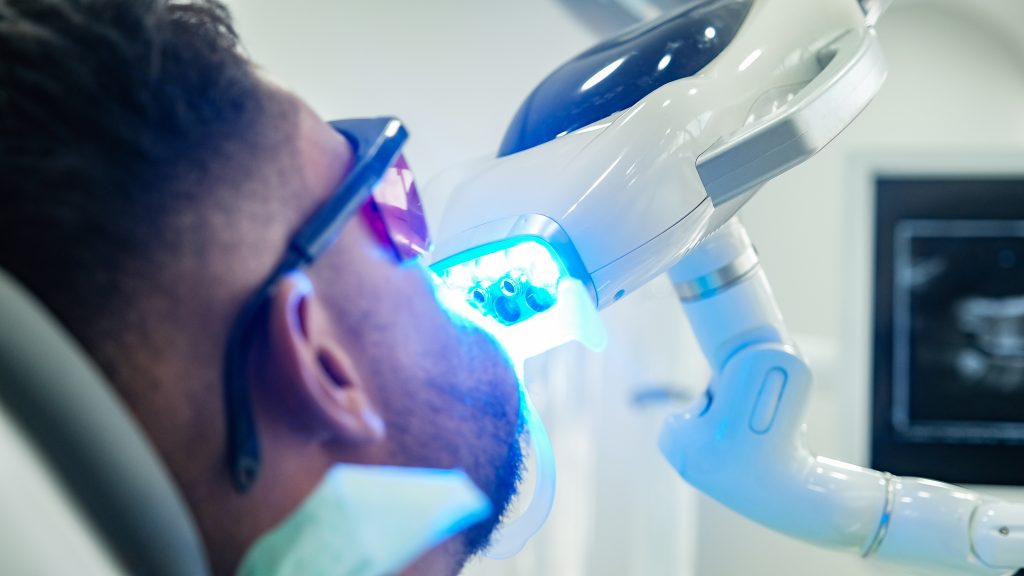
A brighter smile is one of the most common things people wish they could change, and whitening is one of the simplest ways to get there. But once you start looking, the choices multiply quickly, from supermarket kits to professional treatments done at the practice or at home.
Two of the most popular professional routes are in-chair whitening and dentist-supplied take-home whitening, and they work in slightly different ways. Understanding how they compare, and how to keep the process safe and comfortable, helps you pick the approach most likely to give you a result you are happy with.
Why Teeth Darken in the First Place
Teeth lose their brightness for a mix of reasons, and knowing yours helps you choose the right fix. On the surface, everyday culprits like coffee, tea, red wine and smoking gradually stain the enamel over the years.
Beneath that, ageing plays a part too. Enamel naturally thins over time, letting more of the yellower layer underneath, called dentine, show through. That is why some discolouration lifts beautifully with whitening while other kinds need a different approach.
This is also why a quick chat with a dentist before you start is worthwhile. They can check what is actually causing the discolouration and confirm whitening is the right tool, rather than you spending money on something that was never going to shift it.
Some discolouration also runs deeper than surface stains. Certain medications, an old knock to a tooth, or simply genetics can affect tooth colour from within, and those respond differently to whitening. A dentist can usually tell at a glance which kind you are dealing with, which saves disappointment further down the track.
In-Chair Whitening Explained
In-chair whitening is the professional treatment carried out at the practice in a single visit. A stronger whitening gel is applied to your teeth under careful supervision, with your gums protected, to lift the shade noticeably in one sitting.
Its main appeal is speed and a controlled, even result, all done and assessed by the dental team rather than left to guesswork. For anyone with an event coming up or who simply wants a quicker change, it is an appealing option.
Because it is the strongest approach, it is performed by a trained professional who can manage the process and keep your gums and teeth comfortable throughout. That supervision is a big part of what makes it both effective and safe.
It is also reassuring to know the whole process is monitored from start to finish. Your gums are protected, the strength is matched to your teeth, and the result is checked on the day, so there are no surprises. For many people that supervised, one-and-done experience is exactly what makes in-chair whitening so appealing.
Take-Home Whitening Explained
Dentist-supplied take-home whitening puts you in control at a gentler pace. The practice makes custom-fitted trays moulded to your teeth, along with a professional-strength gel, so you whiten gradually at home over a couple of weeks.
Because the trays fit precisely, the gel is held evenly against the teeth and away from the gums, which gives a more reliable result than the one-size-fits-all kits from a supermarket shelf. You simply wear them as directed for short periods.
Many people like that it fits around their routine and lets them top up later using the same trays. It is a slower build than in-chair whitening, but the end result can be just as satisfying for those happy to take their time.
Take-home whitening also tends to be gentler on sensitive teeth, precisely because it builds up gradually rather than all at once. If you know your teeth run sensitive, that slower pace can be a real advantage, and your dentist can tailor the timing and strength so you stay comfortable throughout.
Comparing the Two
Neither option is simply better; they suit different people and goals. In-chair whitening is the fastest route to a noticeable change, while take-home whitening offers a gentler, gradual approach you can manage yourself and easily top up.
Some people even combine the two, starting with an in-chair treatment and maintaining it with take-home trays.
Staying Safe and Managing Sensitivity
Used sensibly, professional whitening has a long track record and is considered safe for most people. The issues tend to come from misuse, such as overusing products or reaching for unproven DIY trends, which is exactly what professional supervision helps you avoid.
A little temporary sensitivity during or after whitening is common and usually settles within a day or two. Using a toothpaste for sensitive teeth, spacing treatments out, and following the recommended timings all keep it comfortable, and a dentist can adjust the approach to suit.
It is also worth knowing that whitening only works on natural teeth, not on crowns, veneers or fillings, and that results last longer with good cleaning and by easing back on the heaviest staining foods and drinks. A quick professional check first makes the whole thing smoother.
The Takeaway
Both in-chair and take-home whitening can freshen your smile safely; the difference comes down to speed and control. In-chair delivers a quick, supervised result, take-home offers a gentle pace you manage yourself, and a dentist can help you pick the approach that suits your teeth and your timeline.
If you would like a brighter smile without the guesswork, Synergy Dental Group can check what is behind the discolouration and guide you toward safe, professional whitening, whether in-chair, take-home, or a mix of both. Book an appointment to find the approach most likely to give you results you are happy with.
Frequently Asked Questions
Is professional teeth whitening safe?
For most people, yes, when carried out or supervised by a dentist and used as directed. Problems usually come from overusing products or unproven DIY methods, which is why a professional approach, and a quick check beforehand, is the safer route.
Which is better, in-chair or take-home whitening?
Neither is simply better. In-chair whitening is faster and supervised, giving a noticeable change in one visit, while take-home trays let you whiten gradually at your own pace and top up easily. Your dentist can help you choose based on your goals, your timeline, and how your teeth tend to respond to whitening.
Why do my teeth feel sensitive after whitening?
Whitening can briefly make teeth more reactive to hot and cold. It is common, usually mild, and typically settles within a day or two. A sensitive-teeth toothpaste and spacing out treatments both help keep it comfortable.
Will whitening work on crowns or veneers?
Whitening only lightens natural tooth structure, so crowns, veneers and fillings will not change colour. If you have them, it is worth discussing your options with a dentist first so your smile ends up looking even, since whitened natural teeth can otherwise end up a different shade to existing dental work.
How long do whitening results last?
It varies, because the same foods, drinks and habits that stained your teeth will gradually do so again. Good cleaning, easing back on heavy staining culprits, and occasional top-ups all help keep your results looking bright for longer.
This blog is intended for general informational purposes only and does not constitute medical or dental advice. Every patient’s oral health needs are unique. Please consult a qualified dental practitioner for advice specific to your situation. Synergy Dental Group encourages all patients to seek a professional assessment before commencing any dental treatment.